SpaceX Says Starship Flies Commercial Payloads This Year. Here's What a Successful Flight Is Worth — and What a Failure Costs. | The Motley Fool
Space Exploration Technologies (SPCX -6.37%) has already demonstrated that its Starship rocket can deliver satellites into orbit. On Sept. 28, the company launched 26 next-generation Starlink satellites during Starship’s 14th test flight. But the mission wasn’t entirely successful. An engine shut down early, forcing SpaceX to cut the flight from a planned 10 hours to about three hours.
Now SpaceX is targeting November for Starship’s 15th test flight, when it plans to attempt recovery of both stages of the rocket for the first time. A successful recovery would represent a major step toward routine commercial operations and significantly lower launch costs.
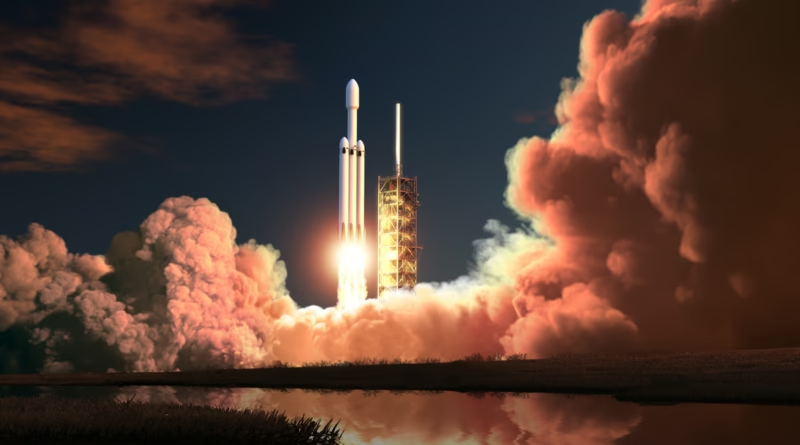
Image source: Getty Images.
$1.65 billion in additional annual revenue
Starship is designed to carry much larger payloads than SpaceX’s Falcon 9 rocket, potentially allowing the company to deploy more satellites at a lower cost per satellite. And indeed, the financial implications are not trivial.
Based on a 2025 analysis by advisory firm Rational Futures, a full Starship payload of next-generation Starlink satellites could support approximately $1.65 billion in additional annual revenue. Applying that estimate proportionally to the 26 satellites launched in September suggests roughly $715 million in potential annual revenue.
SPCX Space Exploration Technologies
$134.72-$9.17 (-6.37%)
NASDAQ · As of 4:00 PM ET 10/30/26
A failed flight could cost millions
SpaceX hasn’t disclosed a standardized commercial price for Starship launches. However, outside estimates have placed early launch costs around $100 million per mission. That said, a failure could also destroy valuable satellites, delay future launches, and increase development expenses.
For example, Voyager Technologies (VOYG -4.93%) plans to launch its Starlab commercial space station aboard Starship. Voyager expects Starlab to cost between $2.8 billion and $3.3 billion to develop, build, and launch. Yet the commercial insurance market currently offers only about $650 million in coverage for a single launch, potentially leaving billions of dollars in project costs exposed if something goes wrong.
To be clear, SpaceX’s long-term ambition is to reduce launch costs dramatically through reusable rockets. But it still needs to prove that Starship can fly reliably and be recovered repeatedly.
Jeff Siegel has no position in any of the stocks mentioned. The Motley Fool recommends Voyager Technologies. The Motley Fool has a disclosure policy.